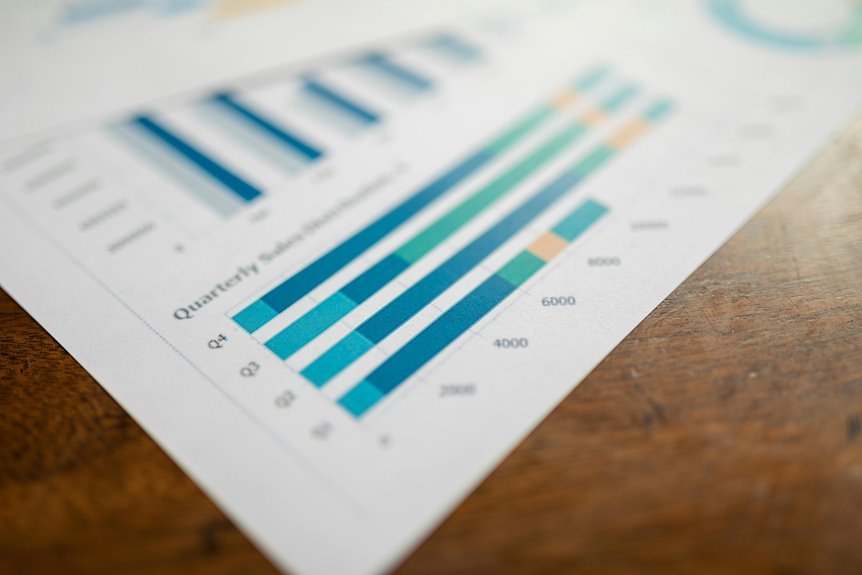
Performance Intelligence Synthesis: 2034510381, 662980915, 120749964, 2112004492, 222023, 120072020

Performance intelligence synthesis represents a critical framework for organizations seeking to harmonize various data streams into actionable insights. It encompasses essential components such as data integration, analytics, and visualization, which collectively enhance decision-making processes. The applications of this synthesis are vast, influencing customer experience and operational efficiency. However, the landscape of performance analytics is evolving. What are the emerging trends that may redefine how businesses leverage performance intelligence?
Understanding Performance Intelligence Synthesis
Understanding Performance Intelligence Synthesis involves a comprehensive examination of how various data sources and analytical frameworks converge to enhance decision-making processes within organizations.
This synthesis leverages data visualization and predictive analytics, facilitating real-time monitoring and the evaluation of performance metrics. Such capabilities provide robust decision support, ensuring strategic alignment with organizational goals while promoting autonomy in navigating complex business environments.
Key Components of Data Integration
Data integration serves as a foundational element in the synthesis of performance intelligence, playing a pivotal role in consolidating disparate data sources into a cohesive framework.
Key components include robust integration techniques that ensure seamless data flow and adherence to data quality standards.
These factors collectively enhance the reliability of insights derived from integrated data, empowering organizations to make informed, strategic decisions.
Applications of Performance Intelligence in Business
As businesses increasingly rely on performance intelligence, they uncover opportunities to optimize processes, enhance customer experiences, and drive strategic growth.
By employing data-driven strategies, organizations can identify inefficiencies and implement performance optimization techniques, leading to improved operational effectiveness.
This strategic approach allows businesses to align resources with market demands, ensuring agility and competitiveness in a rapidly evolving landscape.
Future Trends in Performance Analytics
The evolution of performance intelligence inevitably leads to the emergence of new trends in performance analytics that promise to redefine business strategies.
Key advancements include predictive analytics for forecasting, real-time monitoring for immediate insights, and enhanced data visualization techniques.
Furthermore, machine learning significantly improves decision optimization, while fostering user engagement through personalized experiences, ultimately empowering organizations to make informed, agile choices in a dynamic market.
Conclusion
In conclusion, performance intelligence synthesis stands as a pivotal element for organizational advancement, effectively amalgamating various data streams into actionable insights. An intriguing statistic reveals that companies leveraging advanced analytics are 5-6 times more likely to make faster decisions than their competitors. This underscores the significance of adopting predictive analytics and real-time monitoring, ensuring businesses not only align with their strategic objectives but also enhance their competitive edge in a rapidly evolving marketplace.