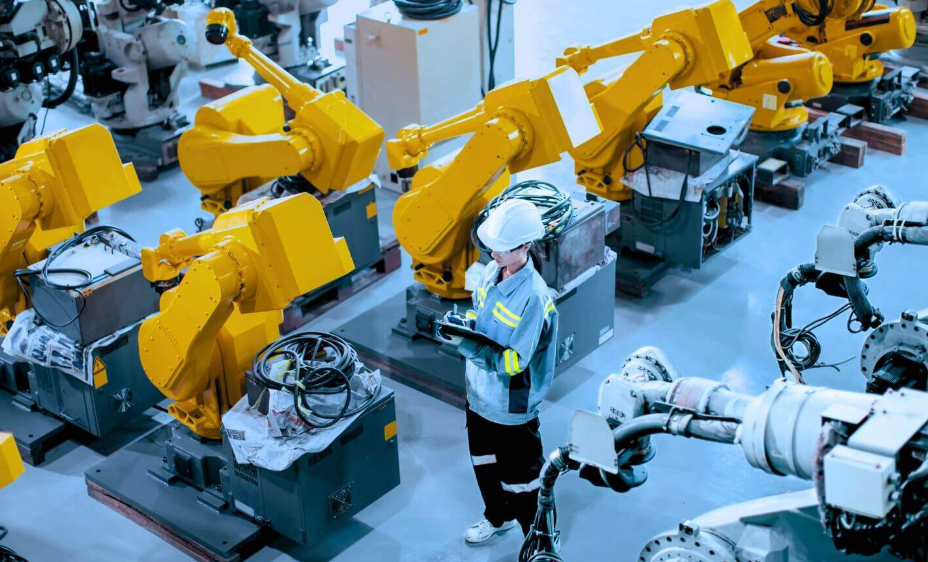
The Future of Factory Automation Technology

Factory automation technology is on the brink of transformation. Emerging trends highlight the adoption of advanced robotics and smart manufacturing solutions. Data analytics plays a crucial role in optimizing operations. Yet, the industry faces challenges, particularly in workforce adaptation. As manufacturers seek to enhance efficiency and sustainability, the need for strategic solutions becomes evident. The implications of these changes raise important questions about the future landscape of manufacturing.
Emerging Trends in Factory Automation
Emerging trends in factory automation are reshaping the landscape of manufacturing, characterized by the integration of advanced technologies.
Robotic advancements play a crucial role in enhancing operational efficiency, enabling precision and flexibility in production processes.
Additionally, smart manufacturing systems leverage data analytics and machine learning to optimize workflows, ultimately empowering businesses to respond swiftly to market demands and fostering a culture of innovation and adaptability.
Challenges Facing the Automation Industry
The rapid integration of advanced technologies in factory automation has brought about significant efficiency gains, but it has also introduced a range of challenges that the industry must navigate.
Job displacement remains a critical concern, as automation replaces traditional roles.
Furthermore, the complexities of technology integration can hinder operational continuity, requiring companies to invest in training and infrastructure to adapt to this evolving landscape effectively.
Opportunities for Growth and Innovation
Numerous opportunities for growth and innovation are emerging within the factory automation sector, driven by advancements in artificial intelligence, robotics, and data analytics.
Smart robotics enhance operational efficiency and flexibility, enabling manufacturers to respond swiftly to market demands.
Concurrently, data analytics provide actionable insights, optimizing processes and resource allocation.
This convergence empowers enterprises to enhance productivity while fostering sustainable practices and competitive advantages.
Strategies for Adapting to Automation Changes
As industries increasingly integrate automation technologies, organizations must develop robust strategies to adapt effectively to these changes.
Key approaches include investing in employee training to enhance skill sets and facilitate smoother transitions.
Additionally, employing process optimization techniques ensures that automated systems function seamlessly, maximizing productivity while minimizing disruption.
Conclusion
In conclusion, the future of factory automation technology promises remarkable advancements that could redefine manufacturing landscapes. However, as industries embrace these innovations, one must ask: will the workforce be adequately prepared to adapt to this rapid transformation? Addressing challenges in workforce training and integration is crucial for maximizing the benefits of automation. By fostering a culture of continuous learning and adaptability, businesses can ensure not only operational efficiency but also sustainable growth in an evolving market landscape.