The Future of Marketing Technology

The future of marketing technology is poised for transformation, driven by artificial intelligence and advanced data analytics. Companies are increasingly focusing on personalization and automation to enhance efficiency and engagement. However, challenges such as ethical considerations and data privacy loom large. As the landscape evolves, the balance between innovation and human creativity will be pivotal. How organizations navigate these complexities will determine their success in fostering meaningful consumer relationships. The next steps in this journey remain to be explored.
The Rise of Artificial Intelligence in Marketing
As businesses increasingly seek to optimize their marketing strategies, the rise of artificial intelligence (AI) presents both opportunities and challenges.
AI algorithms enable enhanced predictive analytics, allowing companies to anticipate consumer behavior and adapt strategies accordingly. This innovative approach empowers marketers to harness data more effectively, driving efficiency.
However, ethical considerations and reliance on technology pose significant challenges that require careful navigation to maintain consumer trust.
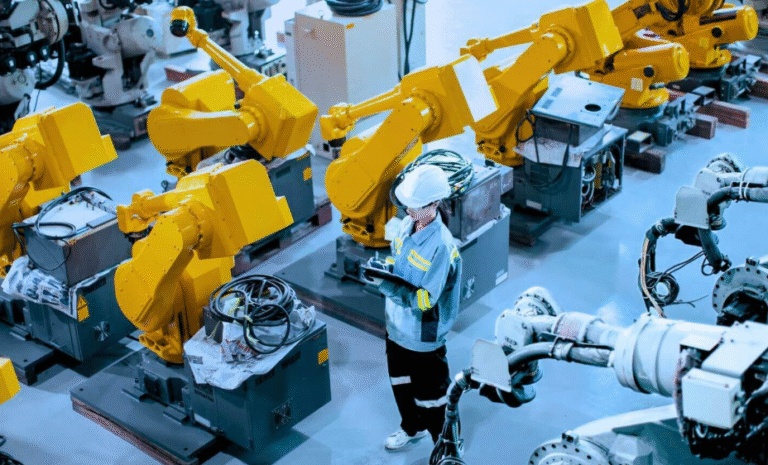
See also: The Future of Factory Automation Technology
Personalization Through Data Analytics
Personalization through data analytics has emerged as a cornerstone of modern marketing strategies, enabling brands to deliver tailored experiences that resonate with individual consumers.
By leveraging data-driven insights, businesses can implement effective customer segmentation, allowing them to anticipate needs and preferences.
This strategic approach not only enhances customer engagement but also fosters loyalty, empowering brands to cultivate meaningful connections in an increasingly competitive landscape.
Automation and Efficiency in Campaign Management
Data analytics sets the stage for a more streamlined approach to campaign management, where automation plays a pivotal role in enhancing operational efficiency.
By enabling precise campaign optimization, marketers can effectively allocate resources, minimizing waste and maximizing impact.
This innovative approach allows for agile adjustments in real-time, empowering teams to focus on strategic initiatives that drive engagement and foster a sense of freedom in creative expression.
The Impact of Augmented Reality on Consumer Engagement
Although traditional marketing methods have their place, the integration of augmented reality (AR) is revolutionizing consumer engagement by offering immersive experiences that captivate audiences.
Brands are leveraging AR technology for virtual try-ons, allowing consumers to visualize products in real-time, thereby enhancing decision-making.
This innovative approach not only fosters deeper connections but also empowers consumers, ultimately redefining the landscape of modern marketing strategies.
Conclusion
As marketing technology evolves, the integration of artificial intelligence, data analytics, and immersive experiences will redefine strategies and consumer interactions. The promise of personalization will flourish alongside the pursuit of efficiency, while augmented reality will transform engagement into an experiential journey. However, the delicate balance of ethical considerations and human creativity will remain paramount. Ultimately, the future will be shaped by trust, innovation, and a commitment to adapt, as brands navigate the intricate tapestry of an ever-changing digital landscape.