The Impact of Technology on Decision-Making Processes

The integration of technology into decision-making processes has transformed how organizations operate. Data-driven insights now facilitate quicker and more informed choices. However, this reliance on technology introduces complexities, such as potential algorithmic biases. As firms navigate this evolving landscape, understanding the balance between technological advantages and inherent challenges becomes crucial. The implications of this balance can significantly influence strategic outcomes across various sectors. What strategies can organizations employ to ensure ethical and effective decision-making?
The Rise of Data-Driven Decision Making
As organizations increasingly operate in a complex and data-rich environment, the shift towards data-driven decision making has become paramount.
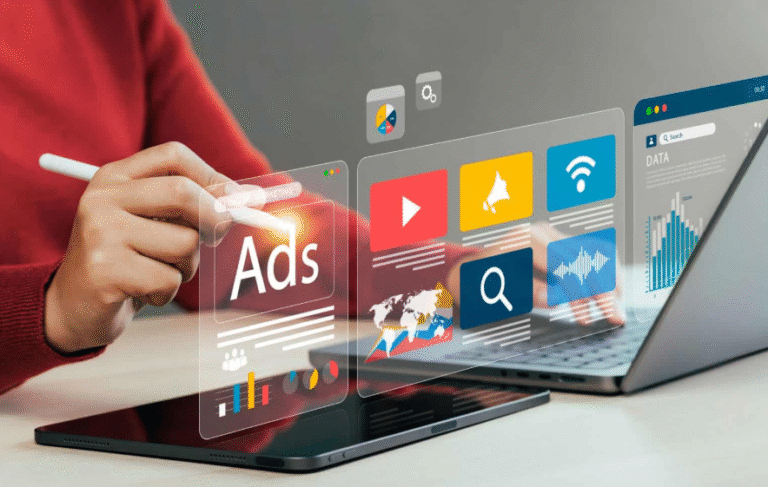
Data analytics and predictive modeling empower leaders to derive actionable insights from vast datasets, enhancing strategic foresight. This evolution not only fosters informed decisions but also cultivates a culture of accountability, ultimately promoting organizational freedom through evidence-based approaches to challenges and opportunities.
See also: The Future of Marketing Technology
Advantages of Technology in Decision Processes
While technology introduces complexities to decision-making, it simultaneously offers numerous advantages that enhance the efficacy and speed of the process.
Real-time analytics empower decision-makers with immediate data access, enabling informed choices. Additionally, automated insights streamline analysis, reducing cognitive overload and facilitating rapid responses in dynamic environments.
These advancements ultimately foster greater agility and responsiveness, aligning decision-making processes with the fast-paced demands of contemporary contexts.
Challenges and Pitfalls of Over-Reliance on Technology
How does an over-reliance on technology compromise the integrity of decision-making processes? This dependence can lead to automation anxiety, diminishing human critical thinking skills.
Furthermore, algorithmic bias may skew outcomes, reinforcing existing prejudices. The erosion of personal agency and the potential for unchecked technological influence pose significant challenges, necessitating a balanced approach that values human insight alongside technological advancement.
Case Studies: Technology’s Impact Across Various Sectors
The over-reliance on technology in decision-making processes has profound implications across various sectors, revealing both the advantages and drawbacks of this dependence.
In healthcare innovations, data-driven insights enhance patient outcomes. Financial analytics streamline investment strategies, while retail optimization maximizes inventory efficiency.
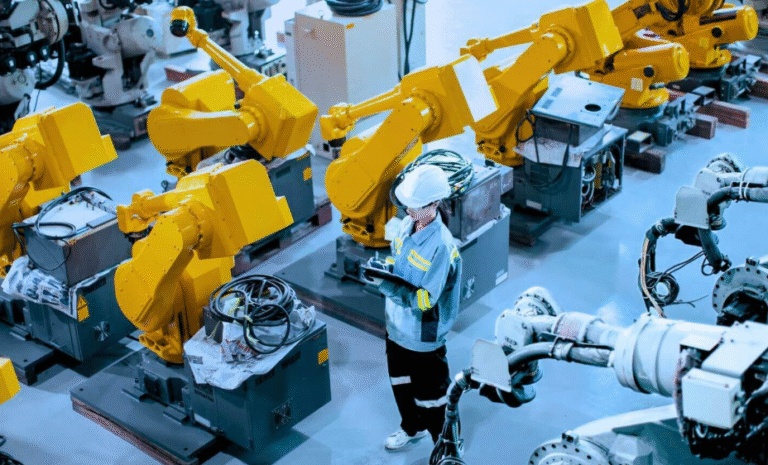
Conversely, manufacturing automation raises concerns about workforce displacement, illustrating the necessity for a balanced approach to technological integration across industries.
Conclusion
In the intricate tapestry of decision-making, technology serves as both a guiding star and a potential labyrinth. While it illuminates pathways with data-driven insights, an over-reliance can obscure critical human judgment, much like a fog that clouds vision. Striking a harmonious balance between technological prowess and human intuition is essential, ensuring that organizations navigate the complexities of modern landscapes with clarity and ethical foresight. Thus, the symbiosis of human and machine becomes the compass for informed decision-making.